SIEMENS 69000580-F00-CSC Cisco Pny Ecc Unbuffered Sodimm 256MB PC133 133MHZ 144-PIN
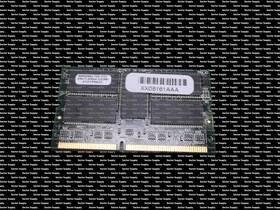
( Brand: Siemens ), ( Manufacturer Part Number: 69000580-F00-CSC ), ( Form Factor: 144-pin Sodimm ), ( Type: Sdr Sdram ), ( Total Capacity: 256 Mb ), ( Bus Speed: Pc-133 ), ( Country Of Origin: United States )
Review SIEMENS Cisco Pny 256mb 133mhz Non ecc Unbuffered 144-pin Sodimm
The **Siemens 69000580-F00-CSC** is a high-performance **Cisco-compatible 256MB PC133 SODIMM memory module**, designed to deliver reliable and efficient operation in enterprise-grade servers and networking equipment. Engineered with precision, this **non-ECC (Error-Correcting Code) unbuffered** module features a **144-pin SODIMM (Small Outline Dual In-Line Memory Module)** interface, making it ideal for compact yet powerful systems such as Cisco routers, switches, and other industrial-grade hardware. Operating at a clock speed of **133 MHz**, this module ensures fast data transfer rates, optimizing system responsiveness and reducing latency in demanding applications. With a **PC133 standard**, it is backward-compatible with a wide range of motherboards and server platforms, offering flexibility for upgrades and replacements. The **256MB capacity** provides sufficient memory for moderate workloads, including routing, switching, and basic server operations, while its **non-ECC configuration** simplifies installation in systems where error correction is not a critical requirement. Built to meet stringent industrial and networking standards, this module is a cost-effective solution for maintaining system performance in mission-critical environments. Whether used in legacy Cisco infrastructure or compatible third-party systems, this SODIMM module ensures stable operation, making it a dependable choice for IT professionals seeking reliable memory upgrades.
### **Pros and Cons of buying a Siemens 69000580-F00-CSC (Cisco PNY 256MB PC133 Non-ECC Unbuffered SODIMM)**
#### **Pros:**1. **Compatibility** This module is designed for Siemens 69000 series servers (e.g., 69000580, 69000581, 69000582) and is also compatible with Cisco UCS and other systems that support **200-pin SODIMM** memory. It is a **PNY-branded module**, which is a reputable manufacturer known for reliability in server-grade memory.
2. **Sufficient Capacity for Basic Use** At **256MB**, this module is adequate for legacy systems, embedded applications, or low-end servers where memory demands are minimal. It may suffice for:
- Industrial control systems
- Legacy database servers (if paired with sufficient other modules)
- Thin-client or embedded networking devices
- Older Cisco UCS or Siemens infrastructure where newer modules are unavailable
3. **PC133 Speed** While **133MHz (PC133)** is outdated by modern standards, it is still functional in systems that do not support faster speeds. This avoids compatibility issues in older hardware where higher-speed RAM would not work.
4. **Non-ECC (Cost-Effective)** Since this is **non-ECC (Unbuffered)**, it is cheaper than ECC modules. If the system does not require error correction (e.g., non-critical embedded applications), this can be a budget-friendly option.
5. **Availability** Older, high-capacity modules like this are harder to find, and PNY (a Cisco-branded memory supplier) often stocks compatible replacements for discontinued parts.
6. **Physical Compatibility** The **144-pin SODIMM** form factor ensures a secure fit in the designated slot, reducing the risk of loose connections.
---
#### **Cons:** 1. **Extremely Low Capacity** **256MB is insufficient** for most modern applications, including:- Virtualization (even basic VMs require **2GB per guest**)
- Modern operating systems (Windows 10/11, Linux servers, or databases need **at least 4GB **)
- Web servers, file servers, or any application requiring multitasking
- Newer Cisco UCS or Siemens systems, which typically require **at least 2GB per slot** for optimal performance
Adding this alone will not upgrade a system meaningfully you would need **multiple modules** (e.g., 4x 256MB 1GB total, still inadequate).
2. **Outdated Technology** PC133 is **ancient** (released in the late 1990s/early 2000s). Modern systems use **DDR3, DDR4, or DDR5**, which offer:
- **Higher speeds** (e.g., DDR4-2400 vs. 133MHz)
- **Better power efficiency**
- **Higher capacity per module** (e.g., 8GB 32GB instead of 256MB)
- **Lower latency**
Using this in a modern system will severely limit performance.
3. **Non-ECC Limitations** While non-ECC saves money, it means:- **No error correction**, increasing the risk of data corruption in critical systems.
- **No parity checks**, which can lead to silent data corruption in unreliable power environments.
- **Not suitable for financial, medical, or enterprise-grade applications** where data integrity is critical.
4. **Potential Compatibility Issues** Even if the module fits physically, the system may:- **Not recognize PC133** if it expects newer speeds (e.g., DDR2/DDR3).
- **Run at a slower speed** than optimal, degrading performance.
- **Require BIOS/firmware updates** to support the module, which may not be available for very old hardware.
5. **Lack of Future-Proofing** This module is **not upgradeable** to higher capacities or speeds. If the system needs more memory later, you would need to replace all modules, not just add to them.
6. **Potential for Counterfeit or Low-Quality Parts** Since this is an older, high-capacity module, there is a risk of:- **Fake or refurbished modules** (especially if bought from third-party sellers).
- **Mismatched timings or voltage**, leading to instability.
- **Poor reliability** compared to newer, tested memory.
7. **Wasted Investment** For most practical purposes today, **256MB is useless**. Even in legacy systems, you would likely need **at least 1GB 2GB** for meaningful use, meaning you d need **4 8 of these modules**, making the cost per GB extremely high.
---
### **Conclusion**
This **Siemens 69000580-F00-CSC (PNY 256MB PC133 Non-ECC SODIMM)** module has **limited practical use** in today s environment. It is best suited for:
- **Extremely low-end embedded systems** where no other memory is available.
- **Legacy hardware** that cannot support modern RAM (e.g., very old Cisco UCS or Siemens servers).
- **Testing or replacement parts** where cost is not a concern, and you have no other option.
**For any modern or performance-critical application, this module is obsolete and not recommended.** Instead, consider:- **Newer, higher-capacity SODIMMs** (e.g., **DDR4-2400 4GB or 8GB** if the system supports it).
- **ECC memory** if the system requires error correction.
- **Upgrading the entire memory subsystem** rather than adding a single outdated module.
If you are working with **very old Siemens/Cisco hardware** where this is the only available option, proceed with caution, test stability, and ensure the system can actually utilize it. Otherwise, **do not purchase this module for any practical modern use**.
---
### **Final Recommendation:**- **Do not buy this module** unless you are certain it is the **only possible replacement** for a **specific legacy system** where no alternatives exist.
- **For any new or upgraded system**, invest in **modern, higher-capacity memory** (e.g., **DDR4/DDR5**) to avoid performance bottlenecks.
- **If you must use this module**, verify:- The system **actually supports PC133**.
- The module **does not cause errors or instability** (test with memory diagnostic tools).
- You have **backups** in case of data corruption (since it s non-ECC).
Details:
PART# 69000580-F00-CSC. Are included besides what you see in the photograph. Customer understands Sector Supply LC is a reuse vendor, and that unless otherwise expressly agreed to in writing, all equipment purchased used and potentially refurbished or modified.: 69000580-F00-CSC CISCO PNY 256MB PC133 133MHz Non-ECC Unbuffered 144-Pin SODIMM.
3001845-01 300-1845-01, MANUFACTURER: CISCO PNY.
part #: 69000580f00 prices
- $130.92-$188.41
specifications servermemor:
- brand: Siemens
- mpn: 69000580-f00-csc
- form factor: 144-pin Sodimm
- type: Sdr Sdram
- total capacity: 256 Mb
- bus speed: Pc-133
- country of origin: United States
returns servermemor:
- paid by: Buyer
- method: Money back
- time: 30 Days
- policy: Returns Accepted
offer servermemor:
- sold: 0
- availability: In Stock
- quantity: 8
- started: May 12, 2026
- options: Ship-to-home
seller servermemor:
- rating: 99.8%
- # reviews: 5419
- city: Buda, Texas
shipping servermemor:
- transit: 2-6 Days
- class: Standard, Expedited, One-day
- type: Calculated
- cost: $16.42
- carrier: UPS
- service: UPS Ground, UPS 2nd Day Air, UPS Next Day Air
general servermemor:
- condition: Used
- Enterprise Networking, Servers > Server Components > Server Memory RAM
payments servermemor:
- credit card: Discover
- wallet: Apple-pay
- other
Siemens 69000580-F00 Is Similar To:
- Siemens Hyb5142568-70 Simm 4mb Ram 4x1mb 30-pol Pin 4 Mb (25.2% similar) Siemens HYB5142568-70 sim 4MB ram 4X1MB 30-POL pin 4 mb...(October 23rd, 2025)
- Siemens Hys72v1600gr-8b Obsolete Vintage 128mb Ecc Reg Dimm Compaq 306431-001 (36.6% similar) This ram module is ideal for vintage server systems that require reliable and high-performance memory components. This Siemens module was assembled in UK 1999 . The product is an obsolete Siemens vintage 128MB ecc reg dimm memory module with the model number HYS72V1600GR-8B. It is designed for ...(November 3rd, 2025)