KINGSTON X4F16QG8BNTDME-7-CA1 Ecc Unbuffered Sodimm Atp Micron DDR4-2666 260-PIN
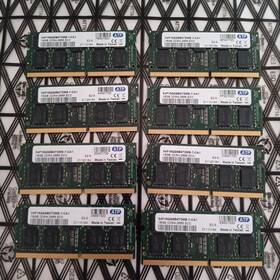
( Brand: Kingston ), ( Manufacturer Part Number: X4F16QG8BNTDME-7-CA1 ), ( Form Factor: So-dimm ), ( Type: Ecc Ram ), ( Total Capacity: 128 Gb ), ( Capacity Per Module: 16 Gb ), ( Bus Speed: Pc4-21300 ), ( Country Of Origin: United States ), ( Memory Features: Ecc Memory, Unbuffered )
Review KINGSTON Lot 16gb Ddr4-2666 Ecc Unbuffered Sodimm 260-pin Atp Micron X4f16qg8bntdme
The **Kingston X4F16QG8BNTDME-7-CA1** is a high-performance, enterprise-grade **DDR4 SODIMM memory module** designed to deliver exceptional reliability, efficiency, and scalability for demanding computing environments. Engineered with **Micron s advanced X4F16QG8BNTDME memory chips**, this **260-pin SODIMM** operates at a robust **2666 MHz** speed, ensuring optimal data throughput for modern workstations, servers, and high-performance computing (HPC) applications. As an **ECC (Error-Correcting Code) unbuffered** module, it provides critical protection against data corruption by automatically detecting and correcting single-bit errors, making it an ideal choice for mission-critical systems where data integrity is non-negotiable. The **unbuffered architecture** enhances system responsiveness and reduces latency, particularly in multi-channel configurations, while the **low-profile SODIMM form factor** ensures seamless compatibility with a wide range of ultrabooks, thin clients, and compact servers that require efficient memory utilization without sacrificing performance.
Built to meet stringent industry standards, this module supports **DDR4 technology**, offering improved power efficiency and reduced heat generation compared to older generations, which is particularly advantageous for space-constrained or thermally sensitive systems. The **7-micron process technology** from Micron ensures high-density storage with enhanced reliability, while the **8GB capacity** (comprising two 4GB chips) provides a balanced solution for applications requiring moderate to high memory demands without over-provisioning. Whether deployed in **virtualization environments, database servers, or AI/ML workloads**, this memory module delivers consistent performance under sustained load, thanks to its **low power consumption** and **high endurance**. Additionally, Kingston s reputation for quality assurance means this module undergoes rigorous testing to ensure long-term stability, making it a dependable choice for organizations prioritizing both performance and durability. For IT administrators and system integrators, the **X4F16QG8BNTDME-7-CA1** represents a cost-effective yet high-reliability upgrade option, bridging the gap between consumer-grade performance and enterprise-grade resilience.
**Pros and Cons of buying a Kingston X4F16QG8BNTDME (7-CA1) DDR4-2666 ECC Unbuffered SODIMM (Micron X4F16G88BNTDME)**
### **Pros**
1. **Compatibility with Micron Technology** The module is manufactured by Micron (under Kingston s branding), a trusted supplier of server-grade memory. Micron s components are widely used in enterprise and high-reliability systems, ensuring stability and longevity.
2. **ECC (Error-Correcting Code) Support** ECC memory is essential for systems requiring data integrity, such as servers, workstations, or applications running critical workloads (e.g., databases, virtualization, or scientific computing). It helps detect and correct single-bit errors, reducing the risk of data corruption.
3. **Unbuffered (RDIMM-like in SODIMM form)** While this is a SODIMM (Small Outline Dual Inline Memory Module), it behaves similarly to unbuffered RDIMMs in terms of latency and performance. This makes it suitable for systems where low-latency access is preferred over registered (buffered) modules.
4. **DDR4-2666 Speed** The 2666 MHz speed is a standard for many enterprise and consumer-grade systems, offering a balance between performance and power efficiency. It is widely supported in laptops, mini-PCs, and some low-end servers.
5. **Reliability for Workloads** The 7-CA1 designation (likely referring to a specific Micron die revision) suggests it is a mature, production-tested module with lower failure rates compared to newer or less-vetted memory.
6. **Cost-Effective for Non-Server Use** If you are using this in a non-server application (e.g., a high-end workstation or a ruggedized laptop), the ECC feature provides an extra layer of protection without the complexity of registered memory.
7. **Easy Upgrade Path** SODIMMs are straightforward to install in laptops or mini-PCs, making this a convenient upgrade option for systems with limited memory slots.
---
### **Cons**
1. **Limited Availability of SODIMM ECC Modules** ECC SODIMMs are less common than non-ECC versions, especially at higher capacities. Finding compatible modules may require checking specialty vendors or eBay, which could lead to higher prices or longer wait times.
2. **Potential Overkill for Consumer Use** If you are using this in a standard gaming laptop, home office PC, or non-critical application, ECC memory is unnecessary and may not provide a meaningful performance benefit. The extra cost may not be justified for casual use.
3. **Power and Heat Considerations** ECC modules typically consume slightly more power than non-ECC versions due to the error-checking circuitry. In battery-powered devices (e.g., laptops), this could reduce battery life.
4. **Compatibility Risks with Non-Enterprise Systems** While this module is compatible with many laptops and mini-PCs, some budget or older systems may not fully utilize ECC features or may have timing restrictions that limit performance. Always verify compatibility with your motherboard/BIOS.
5. **No Registered (Buffered) Option** If you are working in a true server environment (e.g., multi-socket servers), you may need registered (RDIMM/LRDIMM) modules instead of unbuffered SODIMMs. This module is not suitable for high-end server workloads that require registered memory.
6. **Potential for Higher Latency** Unbuffered modules can sometimes have slightly higher latency compared to registered modules in multi-channel configurations, though this is rarely an issue in SODIMM-based systems.
7. **Micron s End-of-Life (EOL) Status** Micron has phased out some older DDR4 SODIMM models, and this specific part may become harder to source over time. Always check for availability before purchasing.
---
### **Conclusion**
The **Kingston X4F16QG8BNTDME (Micron X4F16G88BNTDME) DDR4-2666 ECC Unbuffered SODIMM** is a solid choice if you need **reliable, error-corrected memory for a laptop, mini-PC, or workstation running demanding applications**. Its Micron backing ensures quality, and the ECC feature is invaluable for data integrity in critical workloads. However, if you are using this in a **consumer-grade system where ECC is unnecessary**, the cost and complexity may not be justified.
This module is **ideal for**:- High-end laptops or ruggedized systems requiring ECC.
- Workstations running databases, VMs, or CAD software.
- Applications where data corruption cannot be tolerated.
It is **less ideal for**:- Gaming laptops or general-purpose PCs.
- Systems where registered memory is required (e.g., multi-socket servers).
- Users who prioritize cost over redundancy.
---
### **Recommendation**
- **Buy this module if**:- You need ECC for a laptop or mini-PC and can verify compatibility.
- You are running a workload where data integrity is critical.
- You prefer Micron s reliability and are okay with the potential higher cost.
- **Avoid this module if**:- You are on a tight budget and ECC is unnecessary.
- Your system requires registered (buffered) memory.
- You cannot confirm compatibility with your specific hardware.
- **Alternatives to Consider**:- If you need **registered SODIMMs**, look for Micron or Samsung modules labeled as "Registered ECC."
- If you are in a **consumer market**, non-ECC DDR4 SODIMMs (e.g., Corsair, Crucial) may be sufficient and cheaper.
- For **servers**, opt for RDIMMs or LRDIMMs instead of SODIMMs.
Always **double-check compatibility** with your motherboard/BIOS and consider purchasing from a reputable vendor to avoid counterfeit or mismatched modules.
Details:
Just add all desired items to your cart before checking out.
specifications servermemor:
- brand: Kingston
- mpn: X4f16qg8bntdme-7-ca1
- form factor: So-dimm
- type: Ecc Ram
- total capacity: 128 Gb
- capacity per module: 16 Gb
- bus speed: Pc4-21300
- country of origin: United States
- memory features: Ecc Memory, Unbuffered
returns servermemor:
- paid by: Seller
- time: 30 Days
- method: Money back
- policy: Returns Accepted
shipping servermemor:
- cost: $0.00
- service: Economy
- transit: 5-10 Days
- class: Economy
- type: Fixed
offer servermemor:
- options: Ship-to-home
- quantity: 1
- started: March 4, 2026
- sold: 0
- best offers: True
- availability: In Stock
general servermemor:
- Enterprise Networking, Servers > Server Components > Server Memory RAM
- condition: Used
seller servermemor:
- # reviews: 3625
- city: Fresno, California
- rating: 100.0%
payments servermemor:
- other
- wallet: Apple-pay
- cash
- credit card: Visa
Kingston X4F16QG8BNTDME-7-CA1 Is Similar To:
- 0.09990480113157552 Kingston Registered Ecc Server Ram (23.8% similar) Condition: used, working if a power adapter is required for this item, it not included cord shows signs of normal use w some scuffs scratches blemishes sticker residue no other accessories hardware software. I'll get back to you as soon I can...(May 23rd, 2018)
- 0.16016782161547916 Lot Kingston Ecc Server Memory Ram (23.8% similar) I'll get back to you as soon I can. Condition: used, working if a power adapter is required for this item, it not included cord shows signs of normal use w some scuffs scratches blemishes sticker residue no other accessories hardware software...(March 14th, 2018)
- 0.7150952944791549 Lot Kingston Ecc Server Ram (25% similar) I'll get back to you as soon I can. Condition: used, working if a power adapter is required for this item, it not included cord shows signs of normal use w some scuffs scratches blemishes sticker residue no other accessories hardware software...(July 5th, 2018)
- 0740617202601 Kingston Lot Of 4 (23.4% similar) 8V, CL3, 1GBIT, gold mfr equiv of 30R5147 IBM 30R5145 41Y2702 1X4GB 41Y2703 41Y2815 form factor memory module. All pulled from working servers. This listing is for a lot of 4 8GB kits 2x 4GB modules each total specs below: 8GB 400MHZ dual rank kit chip kill specification standard 512M x 72 ecc 240-...(October 29th, 2017)
- 0889296168270 Kingston Ecc Unbuffered Dimm (36.5% similar) Kingston KTH-PL316E 8g 8GB PC3-12800E 2RX8 DDR3. 5v ecc unbuffered dimm for servers only, not desktop and laptop...(July 27th, 2018)
- 40r1030 Kingston Ecc Memory (22.6% similar) Brand new unopened package...(July 13th, 2018)
- 5054533483538 Kingston Technology Valueram Ecc Reg Sr Ts Dimm (31.1% similar) ...(March 9th, 2019)
- 6 89719 98723 1 Reg Ecc Kingston (11.6% similar) 5NS CSS: CL9 data transfer rate: 1333MHZ memory clock: 166MHZ rank: 2 voltage : please with questions before buying. Manufacturer: Kingston P/N: KVR1333D3D4R9S 4g memory type: DDR3 dram capacity: 4GB each 16GB total pins: 240 bus pc error correction: registered ecc cycle time: the picture is a ...(December 15th, 2018)
- 608938427106 Kingston 8gb Ddr3-1333 Ecc (29% similar) Kingston 8GB DDR3-1333 ecc registered radium KVR1333D3LQ8R9S 8GEC in excellent condition...(March 20th, 2017)
- 7 40617 21453 6 Reg Ecc Kingston (11.6% similar) Note: the item specifics detailed info are not always correct. Sold as used and in working condition. The picture is a stock photo. 5 condition: used, tested good. Listing summary: 8GB Kingston memory. Please with questions before buying. 25NS CSS: CL11 data transfer rate: 1600MHZ memory clock: ...(July 21st, 2018)
- 7 78888 24753 3 Reg Ecc Kingston (11.6% similar) Listing summary: 8GB Kingston memory. 5 condition: used, tested good. Note: the item specifics detailed info are not always correct. Please with questions before buying. Manufacturer: Kingston P/N: KVR1333D3D4R9S 8g memory type: DDR3 dram capacity: 8GB each pins: 240 bus pc error correction: ...(September 28th, 2018)